About Silicone Rubber
What is Silicone Rubber?
Silicone rubber is a synthetic elastomer composed of silicon, oxygen, carbon, and hydrogen.
Unlike natural rubber derived from trees, silicone rubber is manufactured through a chemical process that creates a unique polymer with extraordinary properties.
The material's molecular structure, featuring a flexible siloxane backbone (alternating silicon and oxygen atoms), gives it exceptional characteristics that set it apart from conventional rubbers.
Origins and Manufacturing
Silicone rubber was first developed in the 1940s and is produced from silica (sand) as the primary raw material. Through a series of chemical reactions, silica is converted into silicone polymers, which are then processed with various additives and curing agents to create the final rubber compound. This synthetic origin allows manufacturers to precisely control the material's properties for specific applications.
Silicone rubber exhibits remarkable performance characteristics:
Temperature Resistance
Functions effectively across an extreme temperature range from -60°C to +230°C (-76°F to +446°F), with specialized grades handling even wider extremes
Weather and UV Resistance
Exceptional resistance to ozone, UV radiation, and weathering without degradation
Chemical Stability
Resists many chemicals, oils, and solvents while maintaining its properties
Flexibility
Remains pliable and elastic even at low temperatures, unlike many conventional rubbers
Electrical Properties
Excellent electrical insulation with high dielectric strength
Water Resistance
Naturally water-repellent and maintains performance in wet conditions
Key Benefits of Silicone Rubber
Durability
Long service life with minimal degradation over time
Colour
Unlike other Rubbers, Silicone can be made in various colours.
Maintains Elasticity
Retains flexibility across temperature extremes
Flame Resistant
Self-extinguishing properties in many formulations
Biocompatibility
Safe for medical and food-contact applications
Non-Toxic and Odourless
Generally inert and doesn't release harmful substances
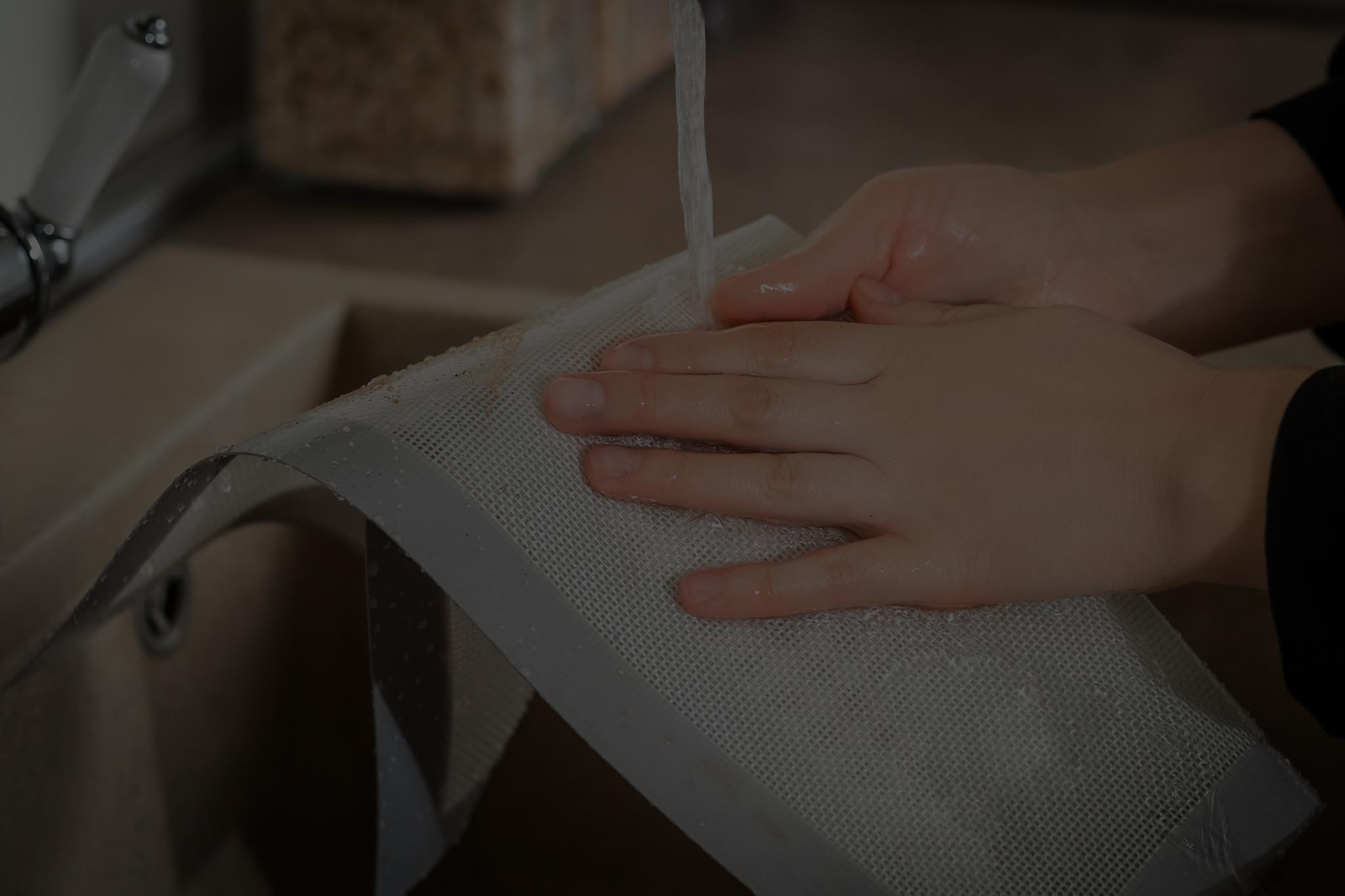
Easy to Clean
Smooth, non-porous surface resists bacterial growth
Common Uses and Applications
Silicone rubber's versatility has made it indispensable across numerous industries such as:

The Healthcare Sector
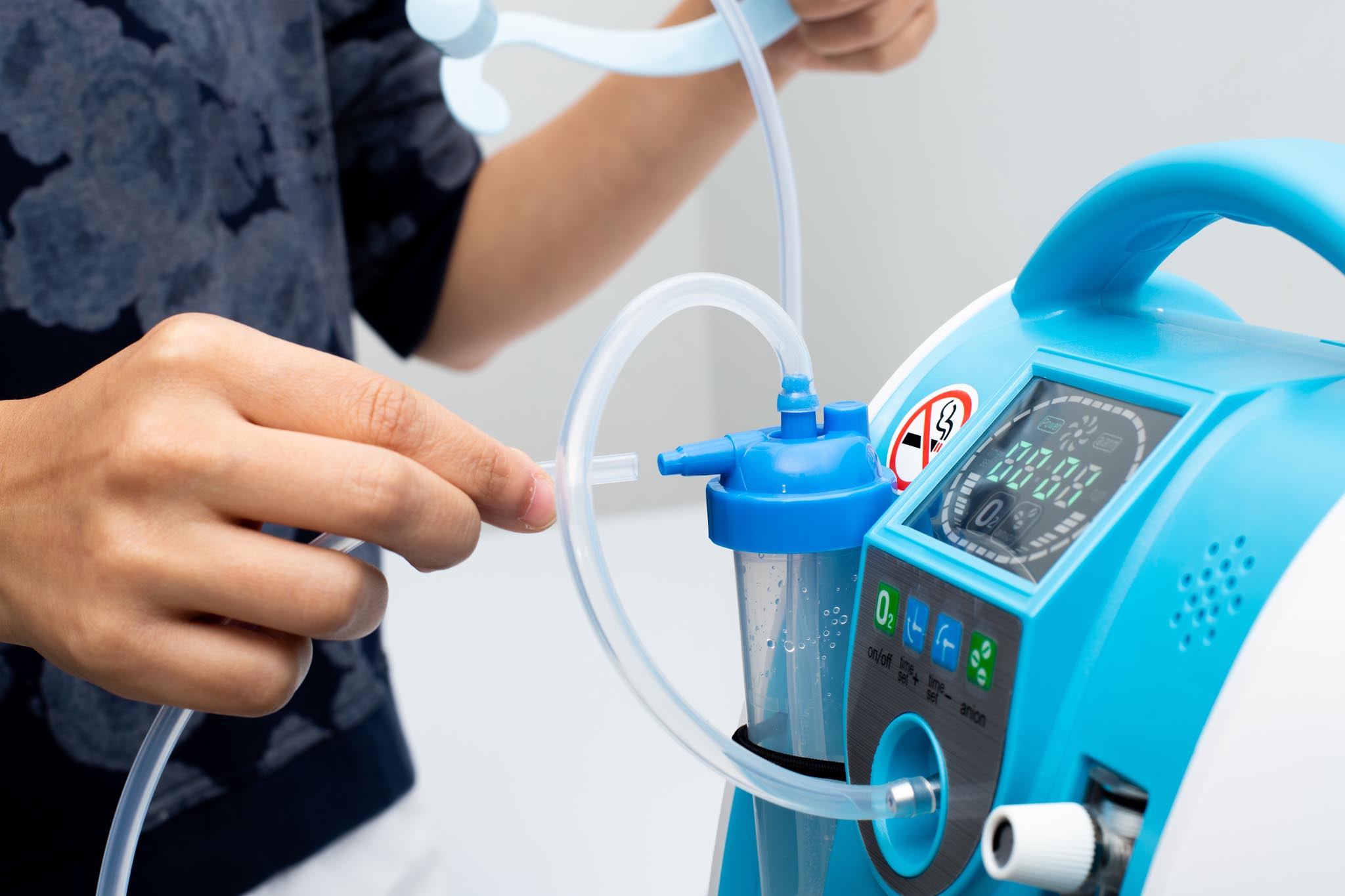
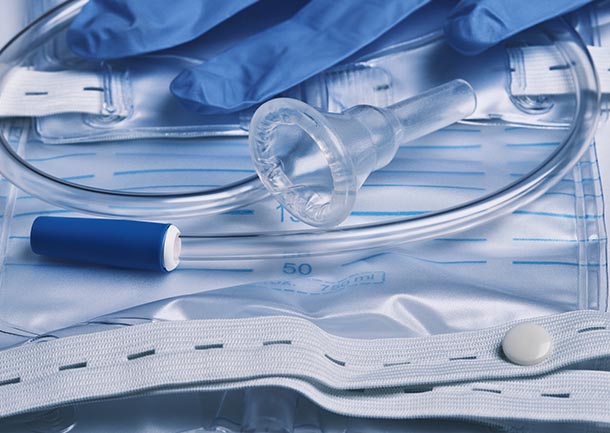
Surgical tubing, catheters, implants, medical gaskets, and respiratory masks
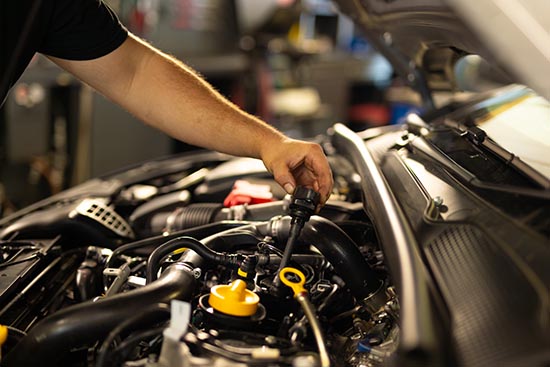
Automotive Parts
To be used in the production of gaskets, seals, hoses, spark plug boots and vibration dampeners

The Food Industry
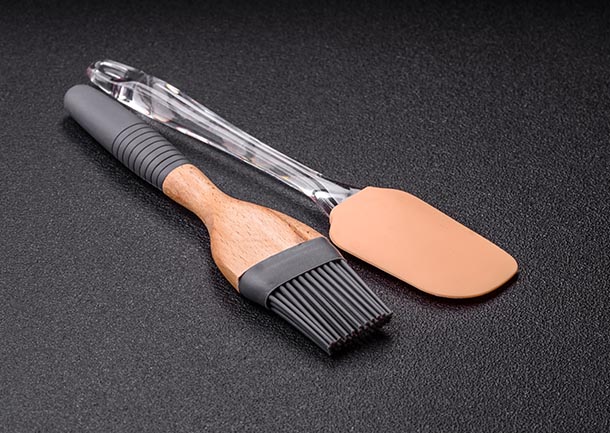
Used in the production of baking mats, spatulas, molds, seals for food processing equipment

Electronics
Used in products such as keypads, cable insulation, protective coatings and potting compounds

Construction
Sealants, weatherstripping, expansion joints, and glazing applications services
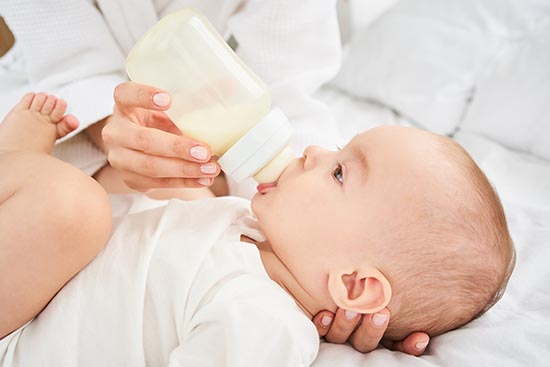
Consumer Products
Baby bottle nipples, kitchen utensils, phone cases, and wearable technology

Aerospace
High-performance seals, gaskets, and components for extreme conditions
General Characteristics
Silicone rubber is a synthetic elastomer composed of silicon, oxygen, carbon, and hydrogen.
Unlike natural rubber derived from trees, silicone rubber is manufactured through a chemical process that creates a unique polymer with extraordinary properties.
The material's molecular structure, featuring a flexible siloxane backbone (alternating silicon and oxygen atoms), gives it exceptional characteristics that set it apart from conventional rubbers.